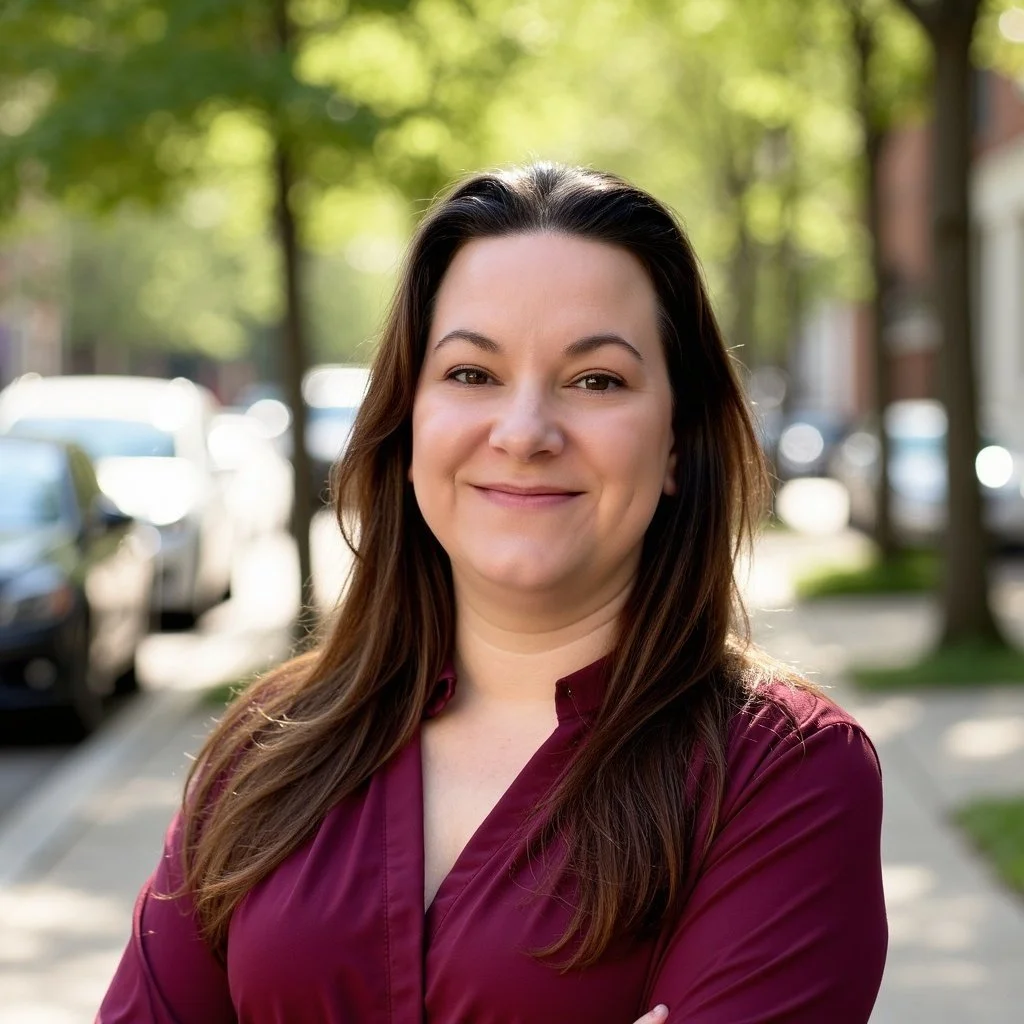
HI, I’M RACHEL.
I’m Rachel Humphries, a Licensed Professional Counselor providing telehealth therapy to adults. My style is practical, collaborative, and direct without being harsh. I want therapy to feel like a place where you can actually figure things out—not somewhere you have to say the right thing or perform being a “good client.”
Before becoming a therapist, I spent about two decades working in EMS and 911 as a paramedic. That experience shaped how I approach people in difficult situations: stay grounded, understand what is actually happening, and focus on what will help rather than what sounds good in theory.
You don’t need to have the right words when you show up. We can start with what you know, what isn’t working, or even just, “I don’t know, but something needs to change.”
My Approach
I believe people do better when they understand what is happening and why. I use evidence-based approaches, but I don’t expect every person to respond to the same technique in the same way. Therapy should adapt to the person—not the other way around.
DIRECT, NOT HARSH
I won’t just sit quietly and nod for an hour. I’ll ask questions, point out patterns, offer another perspective, and tell you what I’m noticing. At the same time, therapy should feel safe enough for honesty, uncertainty, humor, and disagreement.
PRACTICAL, NOT PERFORMATIVE
Insight matters, but so does knowing what to do with it. I want the things we work on in therapy to make sense outside of therapy—in your relationships, decisions, routines, difficult moments, and everyday life.
Clinical Practice
Licensed Professional Counselor with experience providing individual and group therapy, including work with neurodivergent adults, anxiety, emotional regulation, and complex mental health concerns.
Background and credentials
Experience that informs the work
My path to becoming a therapist wasn’t a straight line, and I consider that an asset. Before entering the counseling field, I spent nearly two decades working in EMS and 911 as a paramedic. My clinical training later brought together counseling, psychology, crisis work, behavioral science, and evidence-based psychotherapy.
Education
M.S. Clinical Mental Health Counseling
M.S. Psychology — Disaster & Crisis
B.S. Psychology — Specialty in ABA
Additional Training
DBT Certification
Personality Disorders Certification
Ongoing continuing education in evidence-based mental health treatment
Beyond the Therapy Room
Practical mental health tools should be useful in real life.
A lot of my work comes back to the same question: how do we take what we know about mental health, behavior, and emotional regulation and make it actually usable when life is happening?
That’s also why I create practical mental health resources and write. I’m currently working on Interrupt the Loop, a workbook designed to help people understand the patterns between triggers, emotions, urges, and behavior—and identify places where they can interrupt those patterns with skills that fit the moment.
My goal, whether I’m working with someone in therapy or creating something they can use on their own, is the same: make evidence-based information understandable, practical, and easier to apply.